emotional healing

Frustrated man sitting on stairs, representing the emotional struggles men face and the need for mental health resources and therapy
Divorce, Fatherhood & Rebuilding

Starting Over Post-Divorce

Facing the Brutal Truth You’re divorced. The marriage is done. Maybe you wanted it to work, maybe you didn’t. But right now, you’re staring at a mess: your identity shattered, your confidence shot, and your life flipped upside down. Let’s be real, divorce hits a man’s ego hard. You went from being “the man” in a family, a provider, protector, maybe even a hero, to feeling like a failure overnight. Society doesn’t exactly hand out sympathy badges for this, so you’re left dealing with the internal chaos alone. Your brain is wired to seek status, belonging, and control. Losing your family feels like losing your tribe, and your primal brain screams danger. At the same time, your social network may shrink because men often don’t have deep friendships built on emotional sharing. The result? Isolation, frustration, and that gnawing question: “Who the hell am I now?” The modern dating scene makes it worse. You’re expected to “get back out there,” swipe, match, message, like it’s some game. But it’s a loaded game, designed to mess with your dopamine, your confidence, and your sense of self-worth. The quick judgments and constant rejection feel brutal, like a spotlight on your flaws. How to Handle It and Rebuild Drop the Nice Guy Act If you’ve been bending over backward to be “easy” or “nice,” it’s time to recalibrate. Respect isn’t given for free; it’s earned through boundaries, authenticity, and self-respect. Get Real About Your Identity Therapy or honest reflection can help you ditch the victim mentality. Own your mistakes, but don’t let them define you. Rebuild around what matters to you, not what you think others expect. Limit the Dating App Time Swipe culture is a trap. Use apps as tools, not validations. Focus on real-world interactions, whether it’s social groups, hobbies, or work. Humans evolved to connect face-to-face, not through pixels. Build a Support System Men tend to isolate, but you need allies. Real friends, mentors, or a therapist who gets male struggles can help you navigate the mental fog and keep you accountable. Set Clear, Actionable Goals Whether it’s fitness, career, or hobbies, focus on small wins that rebuild your confidence and identity outside of dating or relationship status. What You Gain When You Get This Right You’ll feel like yourself again, strong, grounded, and in control of your life. Dating becomes less about desperate validation and more about genuine connection. You’ll attract women who respect you, not just the version you think they want. Your social life grows richer, with relationships built on trust and authenticity. Most importantly, you reclaim your mental health, shedding the shame and confusion. That mental clarity boosts everything else: your work, your passions, and your future. Starting over after divorce isn’t about pretending you’re fine or rushing back into a relationship. It’s about owning your story, learning from the wreckage, and building a life that makes you proud, no apologies, no fluff. It’s hard, but it’s the only way forward.

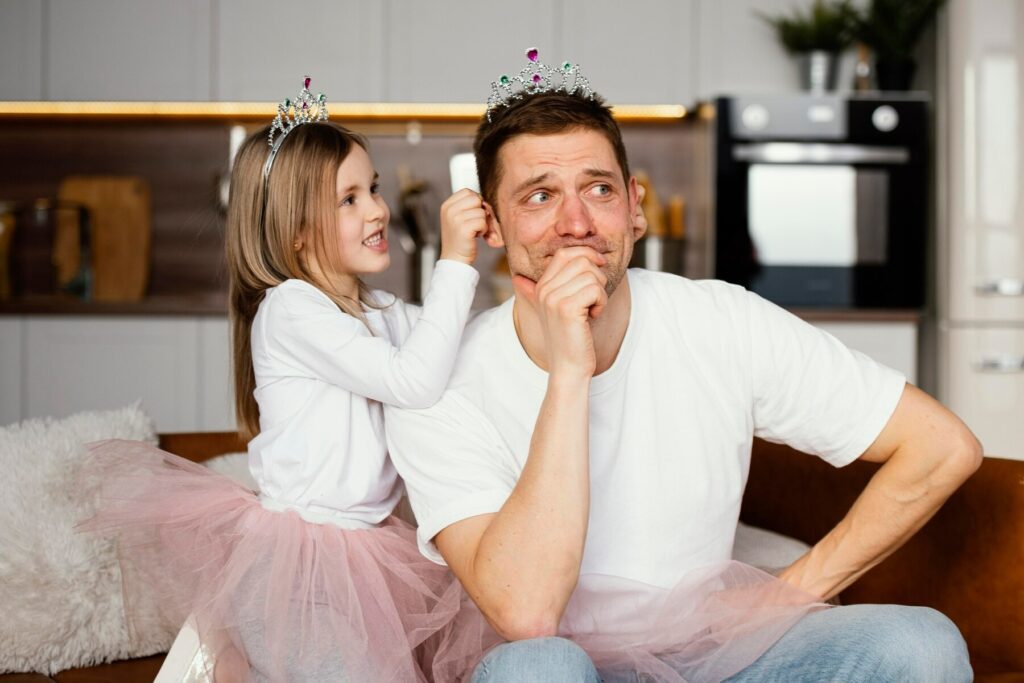
Father and child sharing a bonding moment, emphasizing the importance of emotional well-being in men’s mental health.
Divorce, Fatherhood & Rebuilding

Better Father After Divorce

Fatherhood After Divorce: Navigating Complex Emotions and Behavioral Patterns Divorce is a seismic event, shaking the foundation of your family and identity, especially as a father. The feelings of loss, guilt, frustration, and uncertainty you face aren’t just emotional, they are rooted in deep brain processes and evolutionary mechanisms. Neuroscience shows that chronic stress, like the emotional upheaval following divorce, activates the amygdala (the brain’s threat center), impairing the prefrontal cortex responsible for decision-making, emotional regulation, and empathy. This means when you feel overwhelmed, your ability to be emotionally present with your children can be compromised. From an evolutionary psychology perspective, men’s roles as fathers have historically been tied to protection, provision, and emotional support. Although roles have evolved culturally, the mammalian brain still seeks attachment and social bonds. Secure father-child attachment supports not only child development but men’s own emotional well-being. Social psychology highlights how social expectations and stereotypes, like the “absent father” myth, can pressure men to suppress vulnerability or overcompensate through hyperwork or control. These cultural pressures can interfere with authentic connection and contribute to feelings of isolation. Human behavior standards emphasize that consistent, emotionally attuned presence trumps perfection. Children need safety, predictability, and responsiveness, not flawless fathers. However, the mental health system often under-serves divorced fathers, focusing more on mothers or pathologizing men’s emotional expression, which can leave fathers feeling misunderstood and unsupported. Therapeutic Strategies to Rebuild Fatherhood Attachment-Based Therapy Focuses on healing disrupted bonds by strengthening emotional attunement and secure attachment patterns. This therapy taps into the brain’s neuroplasticity, promoting new, healthier relational pathways. Mindfulness and Emotion Regulation (DBT techniques) Help fathers manage amygdala-driven reactivity and strengthen prefrontal cortex function, improving emotional presence and patience with children. Solution-Focused Therapy Helps fathers identify actionable steps and build routines that create consistent positive interactions, fostering trust and safety. Social Support Groups Provide validation and shared experiences, reducing social isolation and reshaping beliefs around masculinity and fatherhood. What You Can Gain by Embracing Growth as a Father After Divorce Mentally, healing your brain’s emotional circuits enhances resilience, self-awareness, and emotional regulation. In your relationship with your children, consistent nurturing presence rebuilds trust and deepens emotional bonds. Socially, you model healthy masculinity, showing vulnerability alongside strength, breaking generational trauma cycles. Professionally and personally, emotional stability supports clearer decision-making, productivity, and meaningful connections. Divorce may disrupt family structure, but it doesn’t have to fracture fatherhood. Grounded in neuroscience and behavioral science, therapeutic support empowers you to rebuild, thrive, and create the father-child relationship you desire and deserve.

Man and woman having a serious conversation, symbolizing the importance of addressing mental health concerns within relationships.
Dating Struggles, Resentment, Redpill Recovery

Burned but Want Love

The Pain of Past Relationships and the Desire for Connection It’s common for men who’ve been hurt in past relationships to carry wounds that make opening up to love again feel risky or impossible. You might think, “I’ve been burned before, how can I trust or let myself be vulnerable again?” From a neuroscience perspective, emotional pain from past rejection or betrayal can create heightened sensitivity in the brain’s threat and pain centers. This leads to protective patterns like emotional withdrawal, distrust, or hypervigilance. Evolutionary psychology highlights that humans are wired for connection, but also for self-preservation. After painful experiences, your brain prioritizes safety, which can make new relationships feel like threats instead of opportunities. Social psychology points out that past relational trauma often shapes expectations and behaviors in new relationships. Negative cycles can develop, including fear of abandonment, jealousy, or difficulty trusting. The mental health system sometimes pushes quick fixes, medications or surface-level therapy, that don’t address deep emotional healing or relational skills, leaving men stuck in painful patterns. Therapeutic Strategies to Heal and Open Up to Love Again Attachment-Based Therapy Works on healing early and recent relational wounds to build secure, trusting connections. Cognitive Behavioral Therapy (CBT) Helps identify and reframe negative beliefs about love, trust, and self-worth. Emotionally Focused Therapy (EFT) Facilitates experiencing and expressing vulnerable emotions in a safe therapeutic relationship. Mindfulness and Somatic Therapies Teach awareness and regulation of emotional and physical responses tied to past trauma. What You Can Hope to Gain by Healing Past Wounds Mentally, you gain resilience, emotional balance, and a more hopeful outlook. In love, you open space for genuine intimacy, trust, and connection. Socially, you rebuild confidence in relating authentically to others. Financially and professionally, emotional healing supports focus, creativity, and growth. Being burned doesn’t mean you have to give up on love. With the right therapeutic support grounded in brain science and relational psychology, you can heal, grow, and open your heart again, stronger and wiser.

emotionaly week man sitting helpless
Blog

Healing from Wounds of an Emotionally Absent Father

Healing from Wounds of an Emotionally Absent Father As a therapist and relationship coach for men, I often encounter individuals who are dealing with the long-lasting effects of an emotionally absent father. These wounds can shape your self-worth, influence your relationships, and manifest in ways that may surprise you. Understanding these patterns is the first step toward healing and building healthier connections. In this blog post, we will explore five common manifestations of these wounds and offer actionable insights to help you navigate your emotional patterns. 1۔ Unresolved Anger The Roots of Anger Do you find yourself quick to anger, even over minor issues? This response may stem from unexpressed pain and frustration rooted in your childhood. An emotionally absent father can leave a void that translates into unresolved anger, often directed at yourself or others. Recognizing Triggers To address this anger, it’s essential to recognize your triggers. Keep a journal to document instances when you feel anger rising. Ask yourself: What was happening at that moment? What emotions were you feeling? How did your childhood experiences influence your reaction? Actionable Steps Practice Mindfulness: Engage in mindfulness techniques to stay present and observe your emotions without judgment. This can help you pause before reacting. Express Yourself: Find healthy outlets for your anger, such as physical exercise, creative pursuits, or talking to a trusted friend or therapist. 2۔ Controlling Tendencies The Need for Control If your childhood environment felt chaotic and out of control, you might develop controlling tendencies as a coping mechanism. This can manifest as rigid routines, perfectionism, or a need to micromanage situations and people. Understanding the Impact While seeking control can provide a sense of security, it can also lead to stress and strained relationships. Recognizing this pattern is crucial for personal growth. Actionable Steps Challenge Perfectionism: Set realistic goals and allow yourself to make mistakes. Embrace the idea that imperfection is part of being human. Practice Flexibility: Introduce small changes to your routine. This can help you become more comfortable with uncertainty and spontaneity. 3۔ Fear of Deep Connection The Cycle of Shallow Relationships Are you stuck in a cycle of shallow relationships, seeking intimacy through sex but avoiding emotional vulnerability? This behavior often serves as a defense mechanism against the fear of being hurt again. Identifying the Patterns Understanding why you avoid deep connections is vital. Reflect on your past experiences and consider how they have shaped your approach to intimacy. Actionable Steps Gradual Vulnerability: Start by sharing small, personal details with someone you trust. Gradually increase your level of vulnerability as you feel more comfortable. Therapeutic Support: Consider working with a therapist to explore your fears and develop strategies for building deeper connections.  4۔ People-Pleasing Patterns The Quest for Approval Do you find yourself giving more than you receive in relationships, constantly seeking approval and validation? This tendency may stem from a desire to please a father who was never satisfied, leading to a pattern of self-neglect. Recognizing Your Worth It’s essential to recognize that your worth is not contingent upon others’ approval. Learning to value yourself is a crucial step in breaking the cycle of people-pleasing. Actionable Steps Set Boundaries: Practice saying no when necessary. Establishing clear boundaries can help you prioritize your needs and well-being. Self-Compassion: Engage in self-compassion exercises. Remind yourself that you are deserving of love and respect, regardless of others’ opinions. 5۔ Commitment Phobia The Fear of Abandonment If the idea of commitment triggers anxiety, it could be rooted in a fear of abandonment stemming from your childhood experiences. This fear can lead to avoidance of serious relationships or a tendency to sabotage them. Understanding Commitment Recognizing the difference between healthy commitment and unhealthy dependence is essential. Understanding your fears can help you navigate relationships more effectively. Actionable Steps Reflect on Past Relationships: Consider how your past experiences have influenced your views on commitment. What patterns do you notice? Challenge Negative Thoughts: When you experience anxiety about commitment, take a step back and challenge the negative thoughts and beliefs that arise. Ask yourself if they are based on facts or irrational fears. 6۔ Difficulty with Emotional Expression The Struggle to Share Feelings Many men who grew up with emotionally absent fathers struggle to express their feelings. This difficulty can lead to misunderstandings in relationships and an inability to connect on a deeper emotional level. Understanding Emotional Blocks Recognizing that emotional expression is a vital part of healthy relationships is crucial. The inability to share feelings can create distance between you and your loved ones. Actionable Steps Practice Emotional Literacy: Take time to identify and label your emotions. Use tools like emotion wheels to help articulate what you’re feeling. Create Safe Spaces: Find environments where you feel safe to express your emotions, whether it’s with a close friend, family member, or through journaling. 7۔ Low Self-Esteem The Impact of Abandonment An emotionally absent father can contribute to low self-esteem, leading you to doubt your worth and abilities. This can manifest in various aspects of life, from career choices to personal relationships. Recognizing Your Value Understanding that your self-worth is inherent and not defined by external validation is essential for personal growth. Actionable Steps Affirmations: Create a list of positive affirmations that resonate with you. Repeat them daily to reinforce your self-worth. Celebrate Achievements: Take time to acknowledge and celebrate your accomplishments, no matter how small. This can help build a more positive self-image. 8۔ Fear of Conflict Avoiding Confrontation If you grew up in an environment where conflict was avoided or punished, you might develop a fear of confrontation. This can lead to suppressing your feelings and needs, resulting in resentment and frustration. Understanding Conflict Recognizing that conflict is a natural part of relationships can help you approach it with a healthier mindset. Actionable Steps Reframe Conflict: View conflict as an opportunity for growth and understanding rather than a threat. This shift in perspective can make it easier to engage in difficult conversations. Practice Assertiveness: Develop assertiveness skills by

Scroll to Top