10 Tactics a Covert Narcissist Will Use To Control & Manipulate You

A couple relaxing on a beachside bench, illustrating covert narcissist tactics discussed in the blog

Have you ever found yourself constantly trying to please a partner who always seems dissatisfied? Do you question your own sanity, feeling confused and drained by the relationship?

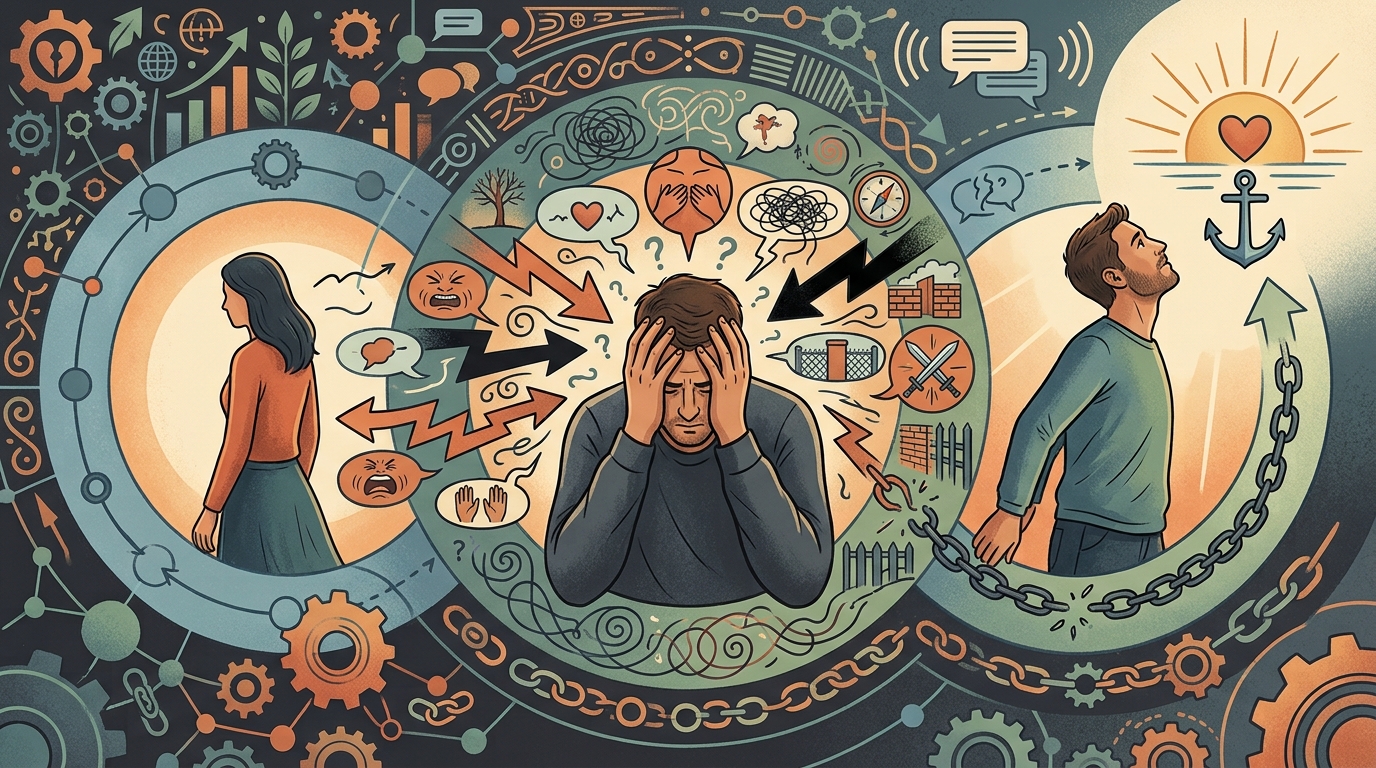
If so, you might be stuck in the tricky web of a covert narcissist. Unlike their more obvious narcissistic counterparts, covert narcissists are experts at hiding their manipulative tactics behind a charming and humble facade. This subtle form of emotional abuse can make you feel trapped and powerless.

Let’s uncover ten toxic tactics that female covert narcissists use to dominate their partners both psychologically and emotionally:

1. Love Bombing

At the beginning, she’ll sweep you off your feet with a ‘whirlwind’ romance. You’ll receive lavish gifts, constant compliments, and declarations of love that seem almost too good to be true. This “love bombing” isn’t genuine affection; it’s actually a calculated strategy to make you emotionally dependent.

You’ll feel drawn to her like a moth to a flame, enjoying the warmth of her attention without realizing it’s a trap to control you. Once she has your devotion, the devaluation starts.

2. Passive-Aggressiveness

When dealing with a covert narcissist, she will most likely, always be passive-aggressive. Instead of facing issues head-on, she will use sarcasm, backhanded compliments, and silence to show that she’s unhappy. Even though her words might seem harmless, they often leave you feeling uncertain and less confident about where you stand with her.

3. Super Defensive

A covert narcissist’s defensiveness is like a brick wall that blocks any attempt at honest communication. Whenever you voice a genuine concern, she’ll turn it into a personal attack, leaving you feeling invalidated and unheard. Over time, this pattern of stonewalling erodes trust and intimacy, creating a toxic environment where you feel unsafe to express your true feelings.

4. Zero Empathy

While a covert narcissist might say words of sympathy or concern, their actions reveal a stark lack of genuine empathy. Whenever you express your feelings, needs, and pain, they will be met with indifference or even subtle mockery. When you express vulnerability, she’ll offer empty platitudes or dismiss your emotions as overreactions, leaving you feeling unheard and unseen. This emotional neglect creates a chasm of loneliness, deepening your yearning for her elusive approval.

5. The Blame Game

Nothing is ever her responsibility. Every argument, every setback, is skillfully reframed to be your fault. She’ll gaslight you, making you doubt your own perception of reality. Over time, this constant blame-shifting erodes your self-esteem and leaves you feeling perpetually inadequate.

6. Never-Ending Competition

She’ll constantly compare you to others – friends, colleagues, even ex-partners – always finding someone who (in her eyes) outshines you. This insidious tactic creates a gnawing sense of insecurity and fuels a relentless pursuit of her approval. You’ll find yourself striving to be the perfect partner, but no matter how hard you try, you’ll never measure up to her ever-changing standards.

7. The Undervalued Efforts

Your efforts, no matter how significant, will always fall short in her eyes. She’ll downplay your achievements, criticize your contributions, and make you feel like you’re constantly failing to meet her expectations. This tactic serves to keep you off balance and reinforces her position of power in the relationship.

8. Unrealistic Expectations

The covert narcissist sets a bar so high it’s impossible to reach. You’re expected to anticipate her every need, cater to her every whim, and always put her first. Her demands are often unreasonable and contradictory, leaving you perpetually stressed and feeling like you can never do anything right.

9. Control Freak

Every aspect of your life becomes her domain. She dictates your activities, your friends, and even your thoughts. She’ll isolate you from your support system and manipulate you into believing that she’s the only person who truly cares about you. This gradual erosion of your independence leaves you vulnerable and entirely dependent on her for validation.

10. Lost Self-Respect

The cumulative effect of these tactics is a devastating loss of self-respect. You start to doubt your own worth, your own judgment, and your own sanity. You feel trapped, powerless, and utterly lost without her. This is the covert narcissist’s ultimate goal – to break you down completely so she can rebuild you in her image.

Escaping the Web

Recognizing these toxic tactics is the first step towards setting yourself free. Seek support from trusted friends, family, or a therapist. Remember, you are not alone, and you deserve a relationship built on mutual respect, trust, and genuine affection.

Understanding and acknowledging these behaviors can be incredibly empowering. It allows you to see the patterns that have kept you trapped and to begin the process of breaking free. Healing from a relationship with a covert narcissist is challenging, but it is possible. Here are some steps to help you regain your power and self-worth:

1. Educate Yourself:

The more you understand about covert narcissism, the more you’ll recognize the tactics used against you. This awareness is crucial for reclaiming your sense of reality.

2. Set Boundaries:

Start establishing clear boundaries to protect yourself. This might involve limiting contact, especially if the narcissist tries to manipulate you into staying.

3. Reconnect with Your Support System:

Reaching out to friends and family can be a vital part of your healing process. They can offer you the validation and support that you may have been lacking in your relationship.

4. Practice Self-Care:

Focus on activities that promote your well-being. Whether it’s exercise, hobbies, or simply spending time in nature, taking care of yourself is essential for recovery.

5. Reflect on Your Own Needs:

Spend time understanding your own emotions and needs. This reflection can help you identify what you want from future relationships and ensure that they are healthy and fulfilling.

Remember, leaving a covert narcissist and healing from the relationship is a journey. It’s important to be patient with yourself and recognize that recovery takes time. Each step you take towards regaining your independence and self-respect is a victory.

Take this Free Quiz  to see if you are Dating a Narcissist.

If you suspect you are in a relationship with a covert narcissist, take action. Seek help, set boundaries, and prioritize your well-being. You have the strength to break free and reclaim your life.

Book your free coaching session to break free from Narcissistic Abuse and take the first step to finding a relationship where you MATTER.


Recent posts

Man walking alone on a deserted road, symbolizing the journey to mental clarity and emotional growth in men’s mental health.

Bearing It All Alone

The Invisible Load: What Happens When You’re the Family’s Rock If you feel like you’re the one who always has to “hold it all together,” you’re not alone, and this

Read More »
Man feeling stressed or overwhelmed, representing common emotional challenges men face, emphasizing the need for mental health support.

Rest Feels Risky

Why Rest Feels Like Risk: The Male Brain, Evolution, and Modern Pressure If you’re a man who feels like resting is unsafe, like slowing down means you’re losing ground, know

Read More »
Man experiencing stress or burnout while working on his laptop, highlighting the impact of work-related stress on mental health in men.

Exhausted by Identity

Why Your Brain and Culture Trap You in “Work = Worth” Mode For many men, especially in today’s hyper-competitive world, work isn’t just a job, it becomes the core of

Read More »
Man and woman relaxing together, symbolizing emotional connection and well-being in relationships, important for men’s mental health

No Off Switch

Why Your Brain Gets Stuck in the Loop You know that feeling, when your mind just won’t shut up. You replay conversations, worry about what you said or didn’t say,

Read More »
Man feeling exhausted and overwhelmed, representing the need for rest and self-care as part of men’s mental health.

Trapped in Work

The Harsh Reality of Being a Man Who Never Stops You’re burned out. Every damn day feels like running on fumes, but you can’t just quit or slow down. Because

Read More »
Couple holding hands, symbolizing emotional support and the importance of relationships in mental well-being for men.

Dating After Divorce

The Challenge of Starting Over: Identity, Dating, and the Digital Age Divorce shakes the core of your identity. You’re no longer the partner you once were, and that void can

Read More »
Scroll to Top