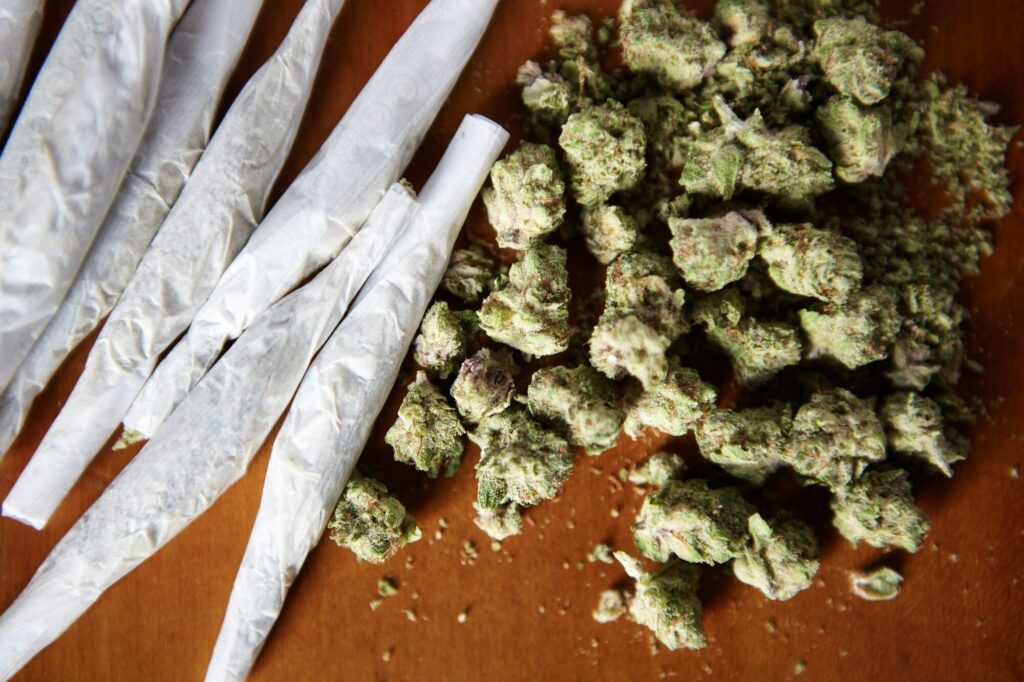
Many people believe that alcohol and weed or any substance use only becomes a problem when it reaches the level of addiction. In reality, there is often a long period in between casual use and substance use disorder, a stage that researchers and clinicians increasingly describe as gray zone substance use.
This is the point where alcohol, cannabis, or another substance has started to play a larger role in your emotional life, even though you are still functioning well. You go to work, meet deadlines, maintain relationships, and appear to have everything under control. Because your life hasn’t fallen apart, it’s easy to dismiss the growing dependence as “normal.”
Yet beneath the surface, your relationship with the substance may be quietly changing.
What Is Gray Zone Substance Use?
Gray zone substance use refers to a pattern in which substance use is no longer purely recreational, but it doesn’t meet the clinical criteria for addiction either.
Instead of using alcohol or cannabis simply because you enjoy it socially, you begin relying on it to manage stress, anxiety, boredom, loneliness, or emotional discomfort. The substance gradually shifts from something you choose to something you increasingly feel you need.
This stage often goes unnoticed because it rarely involves dramatic consequences. There may be no legal issues, job loss, or obvious health crisis. Instead, the changes are subtle, developing over months or even years.
Why It’s So Difficult to Recognize
One of the biggest misconceptions about substance use is that a problem only exists when someone’s life is visibly falling apart. In reality, many people experiencing unhealthy patterns continue to function at a high level.
They may excel professionally, care for their families, and maintain active social lives while quietly depending on alcohol or cannabis to unwind every evening or cope with difficult emotions.
Because daily responsibilities are still being met, the brain naturally minimizes the concern:
“I’m still in control.”
“I can stop whenever I want.”
“Everyone drinks after work.”
These thoughts are common, but they can also delay recognizing an unhealthy pattern before it becomes more deeply ingrained.
When Drinking Stops Being Social
For many people, gray zone substance use begins with alcohol.
Having a drink after work, enjoying wine with dinner, or drinking during social events isn’t inherently problematic. The concern arises when the purpose of drinking begins to change.
Instead of drinking because you’re celebrating or spending time with friends, you start drinking because you feel emotionally uncomfortable without it.
Stress becomes the trigger.
Alcohol becomes the solution.
Over time, this creates a learned association in the brain: difficult emotions become signals that automatically trigger thoughts of drinking. The more often this cycle repeats, the stronger it becomes.
The same process can occur with cannabis. What may have started as occasional recreational use slowly becomes the preferred way to relax, sleep, or disconnect from daily stress.
What Happens Inside the Brain
Gray zone substance use isn’t simply about willpower. It involves changes in how the brain learns and responds to rewards.
Alcohol and cannabis influence several neurotransmitter systems involved in mood regulation, stress, and motivation. Dopamine plays a major role by reinforcing behaviors that produce temporary relief or pleasure. At the same time, alcohol also affects GABA, the brain’s primary calming neurotransmitter, which contributes to feelings of relaxation.
Repeated exposure gradually teaches the brain that substances provide a quick route to emotional relief. As this learning strengthens, natural coping mechanisms become less effective.
Research from the National Institute on Drug Abuse (NIDA) explains that repeated substance use can alter brain circuits involved in reward, stress, and self-control, making certain behaviors increasingly automatic over time.
Similarly, the National Institute on Alcohol Abuse and Alcoholism (NIAAA) describes how repeated alcohol use affects brain function, decision-making, and emotional regulation long before severe addiction develops.
These neurological changes don’t happen overnight. They develop gradually, which is why many people don’t notice them until the habit feels difficult to change.
Early Signs Your Relationship With Substances May Be Changing
Gray zone substance use often reveals itself through subtle behavioral shifts rather than dramatic warning signs.
You may notice that you look forward to drinking or using cannabis every evening more than you used to. Relaxing without it begins to feel harder. Sleep feels less natural unless you’ve had a drink or used cannabis. You may find yourself thinking about when you’ll be able to use again after a stressful day.
Some people also discover that they need slightly more alcohol or cannabis than before to achieve the same level of relaxation. Others experience increased irritability, restlessness, or emotional flatness during periods when they aren’t using.
None of these signs automatically mean someone has developed an addiction. However, they can indicate that substances are becoming an increasingly important coping strategy rather than an occasional choice.
The Hidden Cost of High-Functioning Substance Use
One reason gray zone substance use often persists is because success can hide vulnerability.
Many high-functioning professionals never seek help because they assume their careers, relationships, or financial stability prove that their substance use isn’t affecting them.
Yet emotional dependence can exist even when external success remains intact.
Over time, relying on alcohol or cannabis to regulate emotions may reduce confidence in your own ability to cope naturally with stress. Life begins to feel manageable only when the substance is available, gradually shrinking your emotional flexibility.
This can quietly contribute to increased anxiety, reduced resilience, poorer sleep quality, lower motivation, and emotional numbness, even while everything appears normal from the outside.
Why Early Intervention Matters
Mental health and addiction are often discussed as though they exist in only two categories: healthy or addicted.
Reality is far more complex.
Many people spend years in the space between those extremes. Recognizing this stage early offers a significant advantage because habits are generally easier to change before they become deeply reinforced.
Awareness isn’t about labeling yourself as an alcoholic or addict. It’s about honestly examining whether alcohol or cannabis has become your primary strategy for managing difficult emotions.
The earlier this pattern is recognized, the greater the opportunity to develop healthier coping skills before dependence becomes more established.
How Therapy with MMHI Can Help
Treatment for gray zone substance use isn’t necessarily focused on forcing immediate abstinence. Instead, the goal is to understand why the behavior developed and create healthier alternatives.
A therapist may use Cognitive Behavioral Therapy (CBT) to identify the thoughts, emotions, and situations that consistently lead to substance use. Motivational Interviewing can help people explore their relationship with alcohol or cannabis without shame or judgment, increasing intrinsic motivation for change.
Mindfulness-based interventions may strengthen awareness of cravings, allowing individuals to respond intentionally rather than automatically. In many cases, therapy also addresses underlying issues such as chronic stress, anxiety, loneliness, trauma, or emotional avoidance that may have contributed to the pattern in the first place.
As healthier coping strategies develop, many people notice improvements in sleep, emotional stability, concentration, motivation, and overall well-being without relying as heavily on substances.
If alcohol or weed has gradually become your default way to relax, sleep, escape stress, or manage uncomfortable feelings, it may be worth paying attention, even if life still appears to be functioning normally.
At MMHI, we help men understand the underlying reasons behind alcohol or cannabis use before it develops into a more serious problem. Through evidence-based therapies like Cognitive Behavioral Therapy (CBT) and Motivational Interviewing, our experienced therapists helps you build healthier coping strategies, improve emotional resilience, and regain control over your well-being.
Get your Therapist Match from here!